
Your Complete Roadmap to Canadian iGaming Licensing in 2025
`html META_DESC: Navigate Canada's regulated iGaming market with confidence. Learn essential licensing requirements, 5-step compliance process, and expert guidance for successful market entry. Your...

META_DESC: Navigate Canada's regulated iGaming market with confidence. Learn essential licensing requirements, 5-step compliance process, and expert guidance for successful market entry.
Your Complete Roadmap to Canadian iGaming Licensing in 2025
"In the world of business, the opportunities are like chess moves — success depends on understanding the rules and making the right moves at the right time." This principle rings especially true for iGaming operators and suppliers eyeing the Canadian market, where regulatory complexity can either become a barrier or a competitive advantage depending on how you approach it.
Photo by Pavel Danilyuk on Pexels
Canada's iGaming sector presents remarkable opportunities for businesses ready to navigate its structured regulatory environment. However, the path from concept to licensed operation requires more than ambition — it demands a comprehensive understanding of compliance frameworks, meticulous documentation, and strategic planning. For companies like UGRADO, which specialize in guiding businesses through this intricate landscape, the goal is transforming regulatory complexity into a streamlined journey toward market entry.
Why Is Canadian iGaming Regulation So Complex?
Canada's approach to iGaming regulation reflects a commitment to consumer protection, responsible gaming, and market integrity. Unlike some jurisdictions with straightforward application processes, Canadian regulatory bodies require businesses to demonstrate financial stability, technical capability, and operational transparency before granting any form of market access.

Photo by qmicertification design on Pexels
The regulatory framework encompasses multiple layers of oversight. Provincial authorities maintain distinct licensing regimes, while federal considerations add another dimension to compliance planning. It is worth noting that operators and suppliers must satisfy not only initial licensing requirements but also ongoing reporting obligations, technical standards, and responsible gambling mandates. The key is understanding that this complexity serves a purpose — it filters out unqualified operators and creates a more stable market environment for those who meet the standards.
For international businesses, the challenge often lies in translating unfamiliar requirements into actionable implementation plans. UGRADO's approach addresses this by providing sector-specific guidance that bridges the gap between regulatory language and practical business operations.
What Are the Core Requirements for Market Entry?
Understanding the fundamental licensing requirements forms the foundation of any successful market entry strategy. Canadian iGaming regulations distinguish between operators and suppliers, with each category carrying distinct obligations.
Operator Licensing Requirements
Operators seeking to launch online gaming platforms must demonstrate several critical capabilities. Financial requirements typically include minimum capital thresholds, proof of fund availability, and structured financial reporting mechanisms. Technical requirements encompass platform certification, random number generator (RNG) testing, and secure payment processing integration.
The documentation package for operator applications generally includes comprehensive business plans, corporate structure disclosures, background checks for key personnel, and detailed responsible gambling policies. According to the Canadian Gaming Association, operators must also demonstrate compliance with provincial advertising standards and consumer protection measures.
Supplier and Service Provider Requirements
The iGaming ecosystem extends far beyond casino operators. Platform developers, game studios, testing laboratories, and payment processors all require varying degrees of regulatory approval. Platform providers must certify their technical infrastructure meets Canadian security and connectivity standards. Game studios need testing laboratory certifications validating game fairness and randomness. Testing facilities themselves must demonstrate ISO compliance and methodological rigor.

Photo by cottonbro studio on Pexels
The key is recognizing that supplier licensing often operates on a different timeline and requirement set than operator licensing. Many businesses make the mistake of assuming a single application covers all aspects of their operations.
How Does the Five-Stage Licensing Process Work?
A structured approach to licensing significantly improves approval probabilities and reduces time-to-market. UGRADO's methodology breaks the journey into five distinct phases, each building toward comprehensive compliance.
Stage 1: Initial Business Assessment
Every successful application begins with a clear-eyed evaluation of your business model, target market segment, and organizational readiness. This assessment determines whether your enterprise qualifies as an operator or supplier under Canadian regulations and identifies the most appropriate regulatory pathway.
During this phase, businesses should prepare comprehensive documentation of corporate structure, beneficial ownership, and financial position. The assessment also evaluates technical infrastructure readiness and identifies any potential obstacles before they become application rejections.
Stage 2: Strategic Regulatory Planning
Once classification is established, experienced advisors develop a customized roadmap tailored to your specific circumstances. This strategic plan outlines every requirement, establishes realistic timelines, and identifies critical milestones that must be achieved for successful progression.
Effective regulatory planning considers provincial variations, seasonal factors affecting review timelines, and resource allocation requirements. Businesses that invest adequately in planning typically experience significantly faster approval cycles than those attempting to navigate requirements reactively.
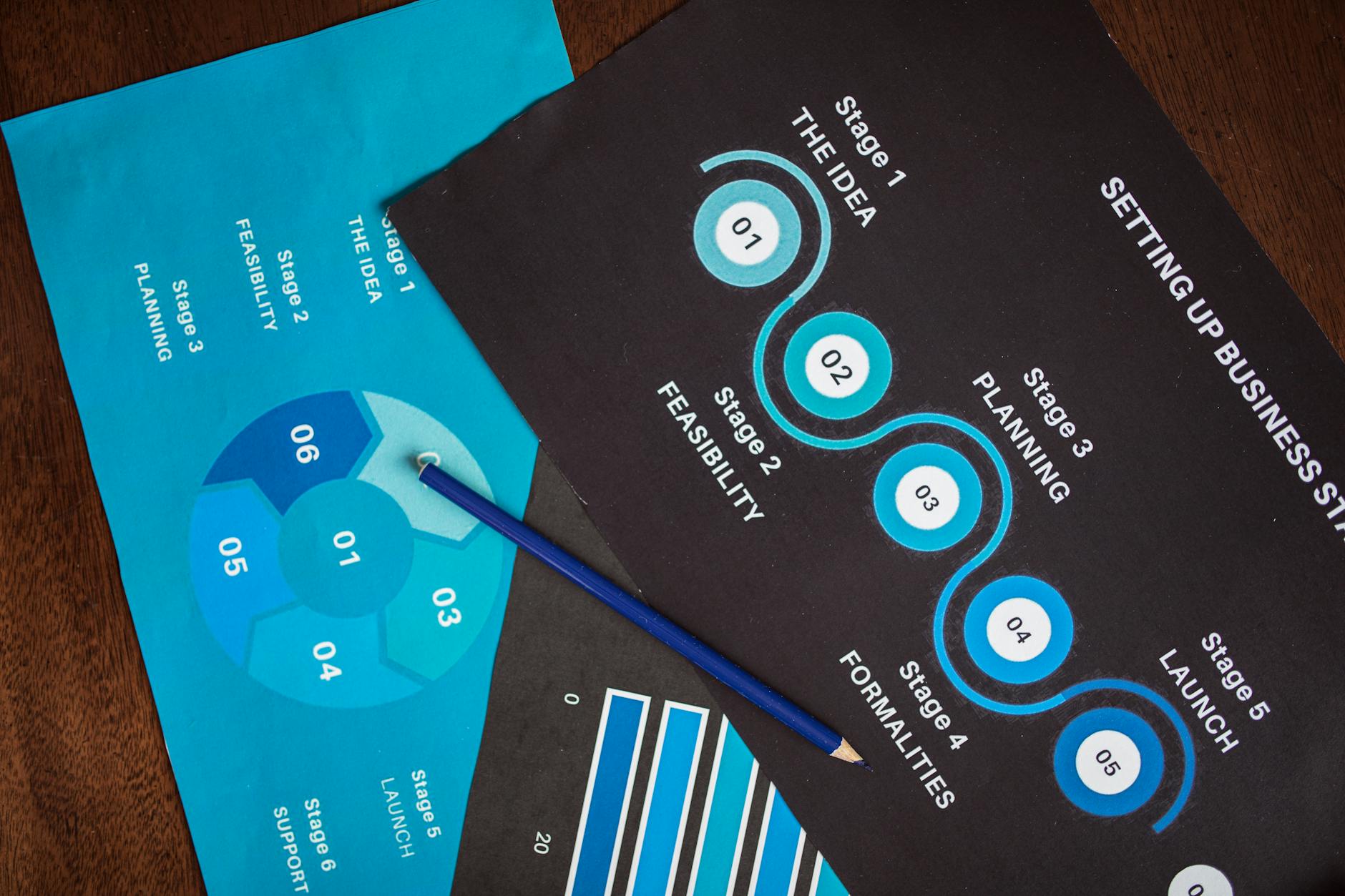
Photo by RDNE Stock project on Pexels
Stage 3: Comprehensive Documentation Preparation
Regulatory authorities demand extensive documentation packages covering policies, disclosures, operational frameworks, and procedural controls. Preparing these materials accurately and comprehensively is essential — incomplete or inconsistent documentation remains the leading cause of application delays and rejections.
Key documentation areas include anti-money laundering policies, responsible gambling programs, data protection protocols, and dispute resolution mechanisms. Each document must align with Canadian regulatory expectations while reflecting your organization's operational realities.
Stage 4: Application Submission and Regulatory Communication
The submission phase initiates formal regulatory review, during which authorities examine your documentation, may request additional information, and evaluate your organization's suitability for licensing. Ongoing professional support during this phase ensures timely responses to inquiries and maintains positive regulatory relationships.
Many applicants underestimate the duration and intensity of the review phase. Budgeting adequate time and resources for potential follow-up requests demonstrates organizational maturity and improves overall regulatory perception.
Stage 5: Technical Validation and Go-Live Readiness
Before launching operations, businesses must complete technical audits, system checks, and final compliance validations. This stage ensures your technology infrastructure, operational procedures, and staff training meet Canadian market standards.

Photo by Kampus Production on Pexels
Go-live readiness encompasses final testing protocols, emergency response procedures, and ongoing compliance monitoring systems. Organizations reaching this stage with comprehensive preparation are positioned to launch successfully and maintain compliant operations.
Who Needs iGaming Licensing in Canada's Market?
Understanding the diverse participants in Canada's iGaming ecosystem helps businesses identify their precise licensing obligations and recognize partnership opportunities.
iGaming Operators
Online casino operators, sportsbook providers, and poker room operators require comprehensive licensing demonstrating financial stability, technical capability, and operational expertise. Provincial licensing remains the primary pathway for operator market access, though certain business-to-business arrangements may require additional supplier approvals.
Technology and Platform Providers
Companies providing gaming platforms, content management systems, or backend infrastructure to licensed operators need supplier registration. This category includes white-label solution providers, API service operators, and enterprise software developers serving the gaming sector.
Game Developers and Studios
Creative studios producing slot games, table games, or specialized gaming content require testing laboratory certification and potentially direct regulatory approval depending on jurisdiction and content type. Game certification demonstrates mathematical fairness, random number generation integrity, and payout compliance.
Testing and Compliance Laboratories
Third-party testing facilities verifying game fairness, platform security, and regulatory compliance occupy a specialized niche within the licensing ecosystem. These organizations must demonstrate ISO/IEC 17025 accreditation and methodological transparency.

Photo by Pilan Filmes on Pexels
The key is recognizing that licensing obligations extend throughout the value chain. Even peripheral service providers may face compliance requirements when serving Canadian-licensed operators.
What Happens If You Operate Without Proper Licensing?
The risks of entering Canada's regulated iGaming market without appropriate authorization extend far beyond simple non-compliance. Understanding these consequences clarifies why professional licensing support represents a strategic investment rather than an unnecessary expense.
Legal and Regulatory Consequences
Unauthorized operators face immediate enforcement actions including cease-and-desist orders, financial penalties, and potential criminal proceedings. Provincial gaming authorities actively monitor market activity and maintain robust enforcement capabilities targeting unlicensed operations.
Beyond immediate penalties, unlicensed operations create ongoing legal exposure that may affect corporate officers, shareholders, and associated businesses. The financial and reputational costs of enforcement actions typically far exceed the investment required for proper licensing.
Financial and Operational Impacts
Operating without licensing exposes businesses to immediate revenue interruption through enforcement shutdowns. Additionally, unlicensed operators cannot access legitimate banking relationships, payment processors, or software partnerships — effectively limiting market access regardless of operational capability.
Long-term financial planning becomes impossible without licensing clarity. Investors, partners, and employees all require assurance of operational legitimacy that only proper authorization provides.
Reputational and Partnership Considerations
Building sustainable business relationships requires demonstrated regulatory compliance. Unlicensed operations struggle to establish credibility with customers, partners, and industry stakeholders. The reputational damage from enforcement actions persists long after any financial penalties are resolved.
Partnership opportunities with established industry participants — from payment processors to content providers — require licensing verification as a baseline requirement. Without proper authorization, businesses remain excluded from valuable network effects that drive industry growth.
Frequently Asked Questions
Q: What is the typical timeline for obtaining iGaming licensing in Canada?
A: The timeline varies significantly based on application completeness and business complexity, but most operator applications require 6-12 months from initial assessment to approval. Supplier licensing may proceed faster, typically within 3-6 months. Working with experienced advisors can help identify and address potential delays before they impact your timeline.
Q: How much does Canadian iGaming licensing cost?
A: Licensing costs vary by operator type, provincial jurisdiction, and scope of operations. Government application fees typically range from CAD 50,000 to 500,000 depending on license category. Additional costs include legal preparation, technical audits, and ongoing compliance support. A comprehensive budget should account for first-year compliance costs of CAD 150,000 to 750,000.
Q: What's the difference between provincial and federal iGaming licensing in Canada?
A: Canada regulates iGaming primarily at the provincial level, meaning operators obtain licenses from individual provinces where they wish to operate. There is no federal iGaming license per se, though federal laws regarding money laundering, gambling, and online commerce apply universally. Businesses must separately obtain authorization in each province where they intend to offer services.
Q: Can international companies obtain Canadian iGaming licensing?
A: Yes, international companies can and do obtain Canadian iGaming licensing. However, they must demonstrate Canadian operational presence, appoint local compliance officers, and satisfy enhanced due diligence requirements. International applicants typically face more intensive background screening and documentation requirements than domestic entities.
Q: What are the most common reasons for iGaming licensing application rejections?
A: Application rejections most frequently result from incomplete documentation packages, inadequate financial disclosure, insufficient responsible gambling programming, and unclear corporate structure documentation. Background check failures and technical specification deficiencies also contribute to rejections. Professional licensing support helps applicants address these issues before submission.
Q: How does UGRADO support clients throughout the licensing process?
A: UGRADO provides end-to-end licensing support including initial assessment, regulatory planning, documentation preparation, regulatory communication, and go-live readiness verification. Our approach combines sector expertise with proven methodology, helping clients navigate complexity while maintaining focus on business development priorities.
Q: What ongoing compliance obligations apply after obtaining iGaming licensing?
A: Licensed operators must maintain ongoing compliance through regular reporting, annual fee payments, technical audits, and continuous policy updates. Requirements include responsible gambling program maintenance, anti-money laundering monitoring, and player protection measures. Non-compliance can result in license suspension or revocation.
Licensing represents far more than a regulatory checkbox — it forms the strategic foundation for sustainable market success. Businesses that invest appropriately in compliance preparation position themselves for faster growth, stronger partnerships, and reduced operational risk. The Canadian market rewards those who approach it with professionalism and preparation.
Ready to transform regulatory complexity into competitive advantage? UGRADO's team of licensing specialists brings years of experience helping operators and suppliers navigate every stage of the Canadian iGaming licensing journey.